Everything You Need to Know About College Soccer Visits
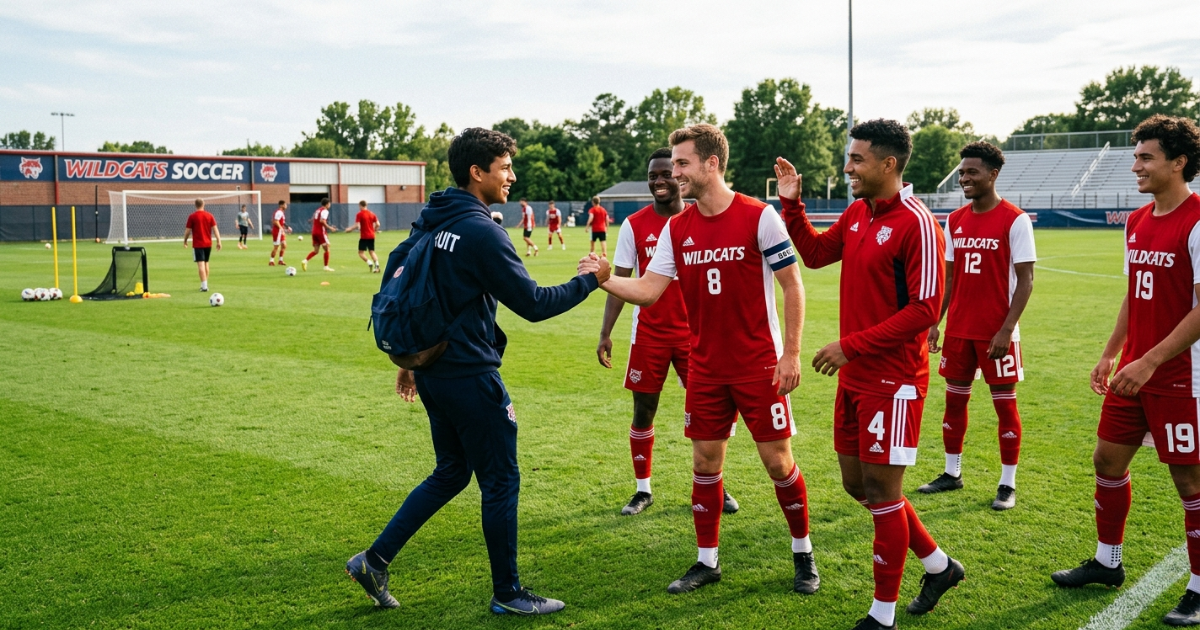
If a college soccer coach invites you to campus, that’s a big deal! It means they’re seriously considering you as a recruit — and you should be seriously considering them too.
Campus visits are one of the most important steps in the college soccer recruiting process, and knowing how to make the most of them can be the difference between finding the right program and making a decision you regret.
Here’s everything you need to know.
Official Visits vs. Unofficial Visits: What’s the Difference?
Not all campus visits are the same, and understanding the difference matters.
An official visit is paid for by the school. That normally includes your transportation, meals, lodging, and tickets to athletic events. The school can also cover costs for up to two family members. Official visits last up to 48 hours — typically a full weekend — and are extended by invitation from the coaching staff. If a coach is flying you in and putting you up on campus, they’re serious about you.
An unofficial visit is one you pay for yourself. You can set these up at any time, at any school, without an invitation. Many recruits use unofficial visits early in the process to get a real feel for a campus before the official visit window opens — or to show a coach genuine interest before a formal offer is made. Don’t underestimate these. Showing up on your own dime sends a message.
The key rules across all division levels: you can take unlimited visits to as many schools as you want. You’re limited to one official visit per school, unless there’s a head coaching change after your visit, in which case you may be eligible for a second.
There is no cap on how many schools you can officially visit — the old five-visit limit was eliminated in 2023.
When Can You Take an Official Visit?
The rules vary by division, so it’s important to know which timeline applies to you.
For Division I men’s soccer, official visits can begin August 1 before your junior year of high school. That’s earlier than many families realize, and it means the recruiting process can move fast. Don’t wait until senior year to start thinking about visits.
For Division II, the rules are similar — official visits can also begin August 1 before junior year.
For Division III, official visits can begin January 1 of your junior year.
What Happens During an Official Visit?
Every program structures their visits a little differently, but most follow a similar format over 48 hours. Here’s what to expect:
- Meeting the coaching staff. You’ll sit down with the head coach and assistants. This is your chance to ask real questions about their system, your role, and their vision for the program. Come prepared — this is a conversation, not an audition.
- Campus tour and facilities. You’ll see the training facilities, weight room, athletic training center, dorms, and dining hall. Pay attention to how things actually look, not just the recruiting video version.
- Hanging out with current players. Most programs will give you a chance ot hang with the team. This is often the most honest look you’ll get at what daily life is really like. Ask the players what you can’t ask the coach.
- An academic meeting. You’ll typically meet with someone from academics or your intended major. Take this seriously — you’re choosing a school, not just a team.
- Watching training or a game. Depending on timing, you might watch a session or a match. Pay attention to how the staff communicates with players and how players respond to coaching under pressure.
What to Ask the Coach
Come in with real questions. Coaches respect recruits who are engaged and prepared. Some good ones for soccer specifically:
- What’s your system and where do you see me fitting in?
- How many other players are you recruiting at my position this year?
- What does a typical week look like in-season and out-of-season?
- What does my path to playing time look like as a freshman?
- How do you develop players who aren’t in the starting eleven?
- What happens if I get injured — is my scholarship protected?
- What’s your relationship like with your players after they graduate?
That last one matters more than people think. Coaches who stay connected to their alumni are usually the ones who genuinely care about the whole person, not just the player.
What to Ask the Players
Your host and the other guys on the team will give you the unfiltered version — if you ask for it. Try:
- How is the coaching staff?
- Do you like the team?
- Did the program turn out to be what you expected when you were being recruited?
- What do you wish you’d asked before you committed?
- How’s the team culture — do guys actually get along?
- What’s the hardest part about being a student-athlete here?
- Do you feel like you’re actually developing as a player?
If players seem hesitant to answer or keep giving you rehearsed responses, pay attention to that too.
What to Observe
Beyond the conversations, just watch. How do coaches interact with players in the hallways, at meals, around training? Does the staff seem organized and intentional, or scattered? Are players energetic or worn down?
Also pay attention to campus life in general. Can you see yourself here for four years — walking to class, eating in the dining hall, building friendships outside of soccer? You’re choosing a home, not just a team.
Will I Get an Offer on the Visit?
Not necessarily — and that’s important to understand going in.
Being invited on an official visit means a coach is seriously interested, but it doesn’t guarantee an offer is coming. With D1 men’s soccer now capped at 28 roster spots, coaches have to be more calculated than ever about who they extend offers to.
Some programs bring in multiple recruits for official visits and are still comparing. Others use the visit as the final step before making an offer. And some are still sorting out their roster and haven’t committed either way.
Go into every visit without assuming an offer is on the table. That mindset keeps you honest — you’ll ask better questions, pay closer attention, and leave with a clearer picture of where things actually stand.
Before you go, it’s completely fair to ask directly: “Where are we in your recruiting process, and what does this visit mean for your decision?” Most coaches will give you a straight answer.
If no offer comes right away, don’t panic. Follow up, stay in communication, and keep the door open. Timing in recruiting is unpredictable — roster spots open up, other recruits decommit, situations change. What you don’t want to do is sit and wait on one school while the rest of your recruiting stalls.
How to Handle Offers or Pressure During the Visit
Some programs will extend an offer during the visit and push you to commit before you leave or shortly after. Be prepared for this — it’s common, and it can feel overwhelming in the moment.
You are never obligated to commit on the spot. A program that won’t give you time to make a thoughtful decision is showing you something important about how they operate. Thank them genuinely, take notes, and give yourself room to think.
If you have other visits scheduled, it’s completely appropriate to say: “I’m really excited about what I’ve seen here. I have a couple of other visits I’ve committed to and want to give this the full consideration it deserves. Can I get back to you by [specific date]?” A good program will respect that. One that doesn’t is worth paying attention to.
After the Visit
Write down your thoughts while everything is still fresh — what you loved, what gave you pause, what questions are still unanswered. Talk to your parents and your club coach.
Then send a genuine thank-you email to the coaching staff. It’s a small thing that goes a long way and keeps the lines of communication open.
The Bottom Line
Visits are your chance to stop being recruited and start doing your own recruiting.
With D1 men’s soccer rosters capped at 28 and the financial landscape shifting, coaches are making very deliberate decisions — and you should be too. The best decisions come from players who go in curious, ask real questions, and trust their gut when something feels off — or exactly right.
You can visit as many schools as your schedule allows. Use that freedom wisely, and only spend time on programs that genuinely excite you. If a school isn’t worth a visit, it probably isn’t worth a commitment either.
Navigating college soccer visits is a lot easier when you have the right tools and information. Ninety is built specifically for high school soccer players who want to find the right college fit — not just any fit. Whether you’re just starting the process or already deep into visits, we’ve got what you need to make the best decision for your game and your future.
Frequently Asked Questions
As many as schools invite you on — there’s no cap. The old five-visit limit was eliminated in 2023. You’re limited to one official visit per school, with a possible second if the head coach changes.
Yes, especially early in the process. Unofficial visits show genuine interest, give you a real feel for campus, and don’t count against any limit. A lot of recruits use them sophomore and early junior year to narrow their list.
Don’t. You’re never obligated to decide on the spot. Thank them, ask for time to think, and give a specific date you’ll get back to them. A program that won’t respect that is showing you something important.

About the Author
Beau is the founder of Ninety (go90.io), a college soccer recruiting platform built exclusively for high school boys. A soccer dad who navigated the recruiting process firsthand with his son — an MLS NEXT player — he built Ninety to be the resource he wished he had. Beau also ran SoccerNovo and has a passion for building web apps that solve real problems. He writes about college soccer recruiting to help players and families cut through the noise and recruit with confidence.