How to Choose the Right Soccer ID Camp
Most players show up to ID camps without a real strategy. They pay the registration fee, hope to get noticed, and leave without ever talking to a coach. Don’t be that player.
Here’s how to actually make ID camps work for you.
Know what you’re walking into
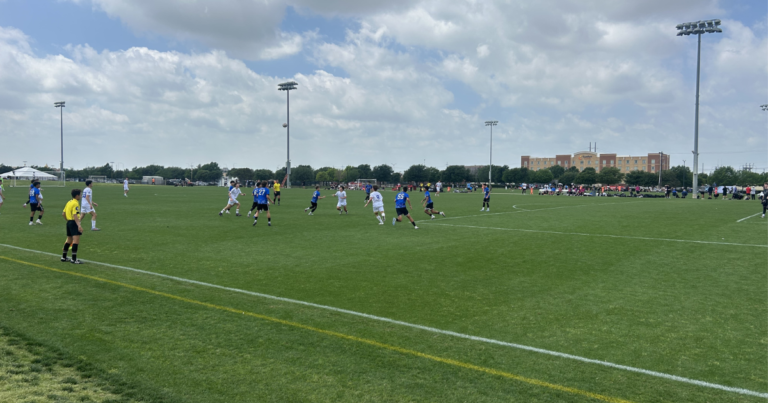
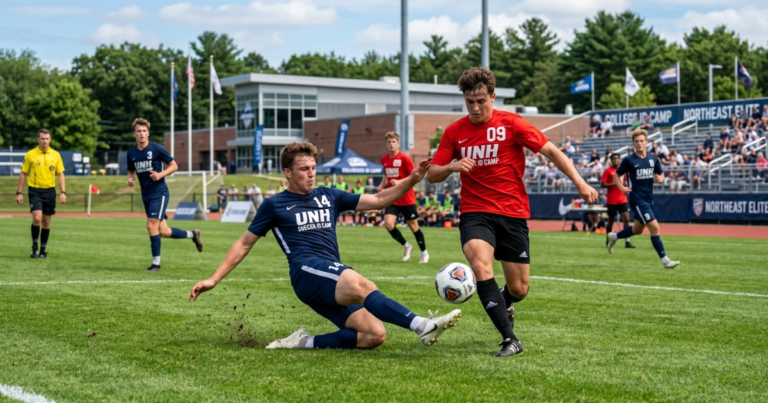
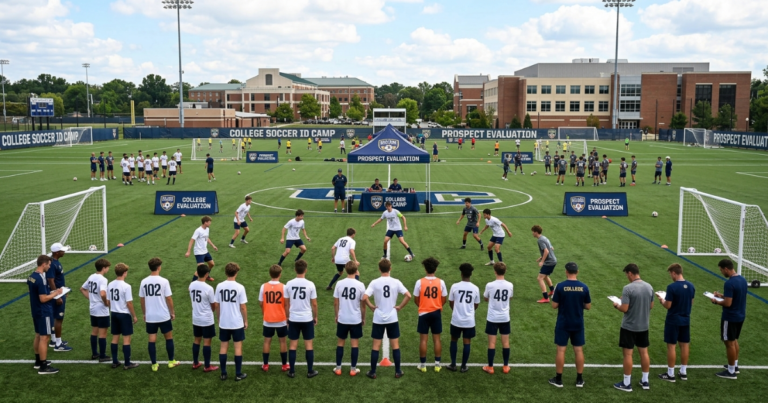
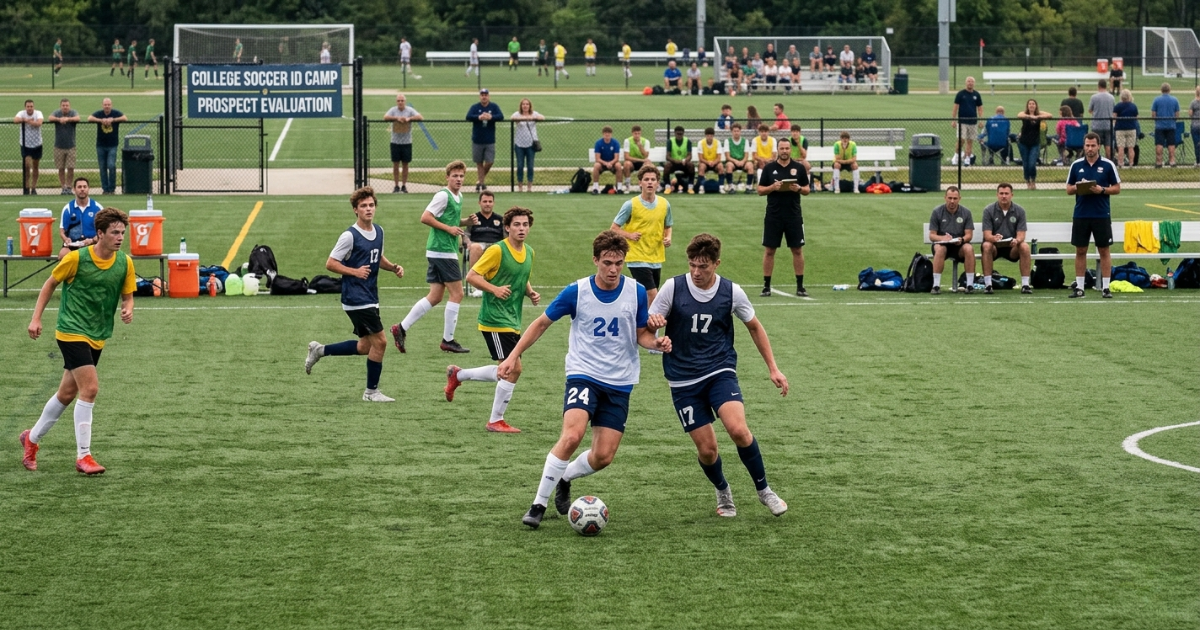
An ID camp is hosted by a college program and run by their coaching staff. It’s not a tryout — it’s an evaluation. Coaches are watching how you play, how you communicate on the field, and whether you fit their system.
The key word is evaluation. If you’re not prepared, you’re just another player in a crowd.
Only go where there’s a real fit
This is the mistake most players make. They register for camps at their dream schools without asking whether the school is a realistic match — academically, athletically, and socially.
Before you register, ask yourself: Could I genuinely compete here? Is this school a realistic academic fit? Has the coach shown any interest in me?
If a coach has already reached out to you, go. That’s a green light. If you’re going cold with no prior contact, make sure the program is at the right level for your game. Attending a high-major D1 camp when you’re a D3 recruit isn’t a strategy — it’s an expensive way to get overlooked.
Do your homework before you pay
Not all ID camps are created equal. Ask these questions before you register:
Who’s actually coaching? If the head coach and recruiting staff aren’t on the field, your evaluations carry a lot less weight. Ask directly.
How many players are attending? Two hundred players and three coaches means limited visibility. Smaller camps and position-specific sessions give you more face time.
What does the day look like? Drills are fine, but coaches learn the most from game situations — small-sided games, scrimmages, live play. Look for camps with real game time built in.
Email the coach before you go
This one move puts you ahead of 90% of other campers. A week before the camp, send a short email introducing yourself.
Keep it simple: your graduation year, position, club team, and why you’re excited about their program. Attach a short highlight clip if you have one. Three or four sentences is plenty.
You’re not asking for anything — you’re just putting your name on their radar before you walk through the gate.
Show up ready to compete
ID camps are not the place to ease into things. Come ready to play hard from the first whistle. Coaches notice effort, communication, and attitude just as much as technical ability — sometimes more.
Arrive early. Introduce yourself to a coach or staff member if you get the chance. Be someone who’s easy to remember.
Follow up within 24 hours
After the camp, send a thank-you email. Reference something specific — a conversation you had, a session you enjoyed, something about the program that stood out to you.
If a coach spoke with you directly, this is your chance to keep that conversation going. If you didn’t connect in person, this is your opening to start.
Most players never follow up. The ones who do get remembered.
Be selective
One well-chosen camp at a school that’s a genuine fit will do more for your recruiting than five camps at schools you’re unsure about. Your time and money are limited — treat them that way.
Pick programs where you’d actually say yes. Then go in with a plan.
Not sure which schools are actually the right fit before you start booking camps? That’s exactly what Ninety was built to help with. go90.io helps high school players find programs where they can genuinely compete and thrive — so every camp you attend is one worth attending.

About the Author
Beau is the founder of Ninety (go90.io), a college soccer recruiting platform built exclusively for high school boys. A soccer dad who navigated the recruiting process firsthand with his son — an MLS NEXT player — he built Ninety to be the resource he wished he had. Beau also ran SoccerNovo and has a passion for building web apps that solve real problems. He writes about college soccer recruiting to help players and families cut through the noise and recruit with confidence.