
Transfer Portal is Another Hurdle for 2027s
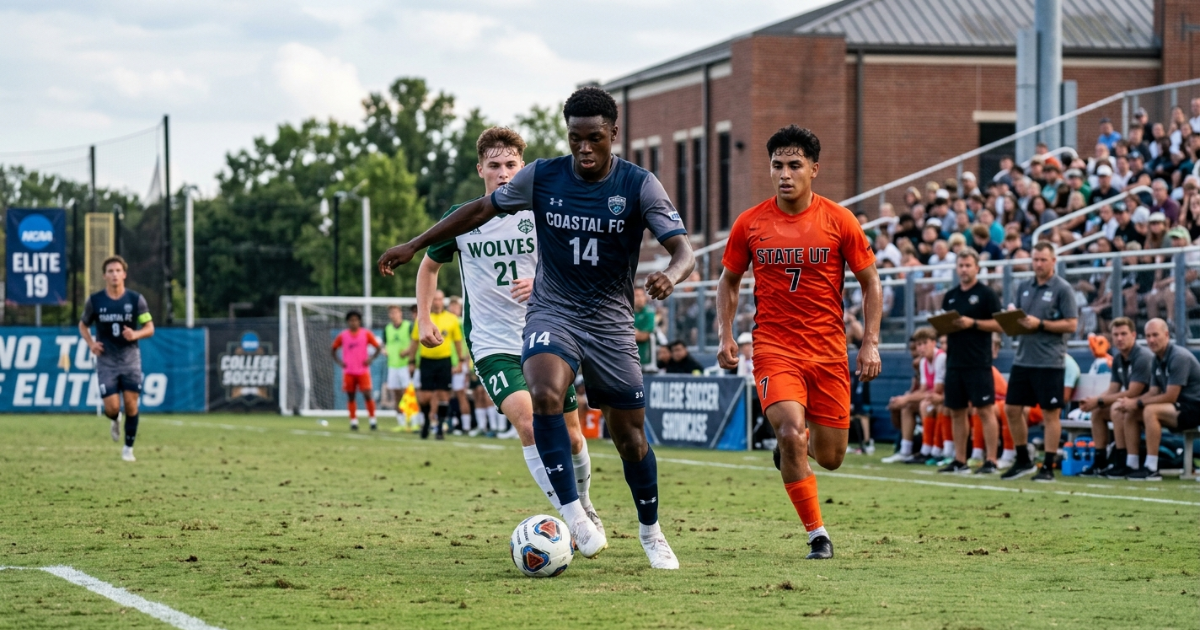
The transfer portal is the biggest reason college soccer recruiting feels harder than it did a few years ago — and most high school families don’t see it coming.
Every roster spot a coach fills with an experienced transfer is a spot they don’t offer to an 18-year-old. If you’re getting recruited out of high school right now, the portal is quietly shaping how many doors are actually open to you.
Here’s what’s happening and how to play it smart.
Why Coaches Love the Portal
Put yourself in a college coach’s shoes. You can sign a promising high school player who might need two years to develop, or you can bring in a proven college player who started 15 games last season and can help you win now. With more pressure to win immediately, a lot of coaches take the sure thing.
That’s the shift. The portal gives coaches a pool of experienced, game-tested players who are ready to contribute right away. Older eligibility rules and roster changes have only added more players to that pool. Every one of them is competing for the same minutes you are.
What It Means for Your Recruiting
The practical effect is simple: fewer freshman spots, and more competition for the ones that remain. A program that used to sign six high school players a year might sign three and fill the rest through the portal. You’re not just competing against other 2027s anymore — you’re competing against 21-year-olds with college experience.
It also means timing and fit matter more than ever. A roster that looks full in the fall can open up fast in the winter when players enter the portal.
The recruits who stay ready, stay in contact, and are easy for a coach to say yes to are the ones who catch those late openings.
How to Stand Out Anyway
You can’t control the portal, but you can control how recruitable you are around it. Coaches taking a chance on a high schooler want two things: a player who can contribute sooner rather than later, and a low-risk, high-character kid who won’t be a project.
Lean into what a transfer can’t offer. You’ve got four years of eligibility, room to grow inside their system, and no baggage. Make your film show you’re closer to ready than they’d expect — physical, competitive, good decisions under pressure. And be the recruit who’s easy to reach and quick to respond, because when a spot opens in January, coaches call the players already on their radar.
Don’t Panic — Widen Your List
The portal isn’t a reason to give up on college soccer. It’s a reason to be realistic and cast a wider net. Players who fixate on a handful of dream D1 schools get squeezed hardest. Players who build a broad, level-appropriate list — including D2, D3, NAIA, and JUCO programs (find what division you should go after) where their odds are far better — keep more real options alive.
For example, a strong high school defender who gets crowded out of a few big D1 rosters might be exactly the immediate answer a solid D2 or D3 program is looking for. Same player, better fit, real playing time. The goal was always to play — not just to collect a logo.
The recruiting landscape changes every year, and the portal is the latest shift. Staying informed and building the right target list is how you stay ahead of it. Ninety helps you find the programs where you actually fit, track openings, and reach coaches at the right time. Start free at go90.io and build a list that beats the squeeze.

About the Author
Beau is the founder of Ninety (go90.io), a college soccer recruiting platform built exclusively for high school boys. A soccer dad who navigated the recruiting process firsthand with his son — an MLS NEXT player — he built Ninety to be the resource he wished he had. Beau also ran SoccerNovo and has a passion for building web apps that solve real problems. He writes about college soccer recruiting to help players and families cut through the noise and recruit with confidence.