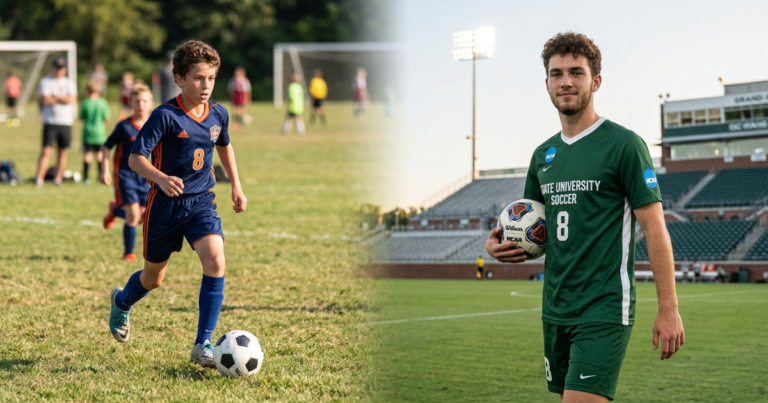
When Is the Best Time to Email Coaches?
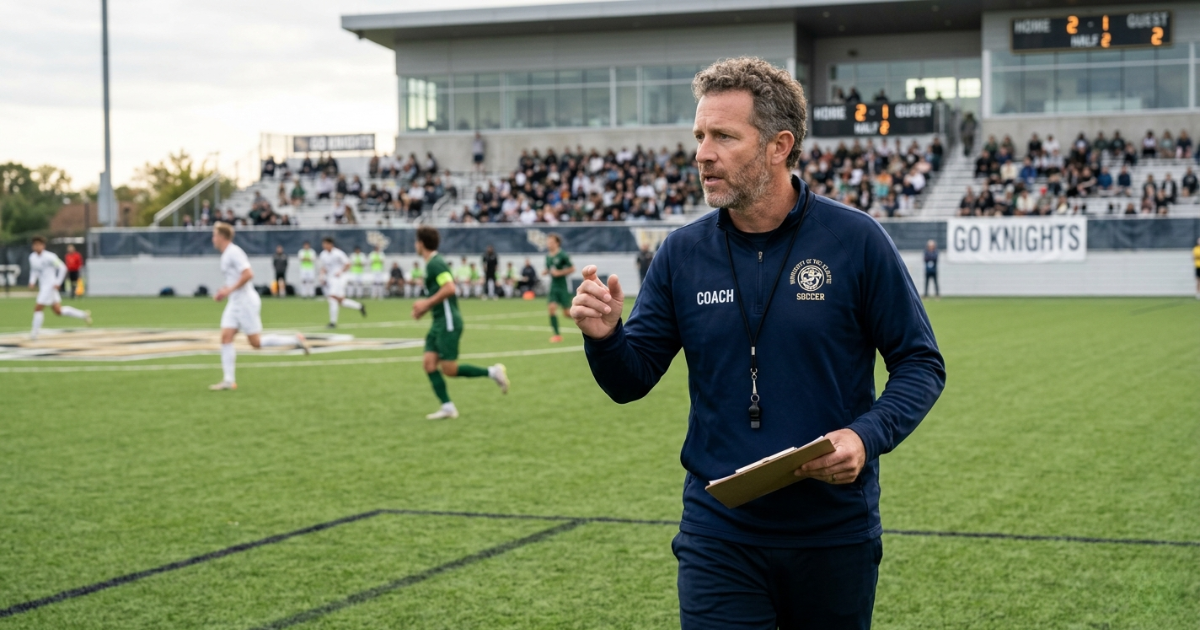
You’ve probably heard that timing is everything. And when it comes to emailing college soccer coaches, there’s some truth to that — but not as much as you might think.
Yes, there are windows during the year when coaches are more likely to open your email, read it carefully, and actually respond. But if you’re waiting for the “perfect moment” to reach out, you’re already behind. Consistency beats timing every single time.
Let’s break it down.
January Through March
This is prime recruiting season for college soccer. The college season is over, spring ball is either just starting or about to, and coaches are actively evaluating their rosters — figuring out who’s graduating, who might transfer, and what positions they need to fill.
Coaches are at their desks more during this stretch than almost any other time of year. An email that lands in February with a clean highlight reel and a clear message is going to get looked at.
If you’re a sophomore or junior, this window is especially important. Coaches are building out future classes and making decisions. You want to be in front of them now.
June Through July
Summer is the most important stretch of the year for soccer recruiting — full stop.
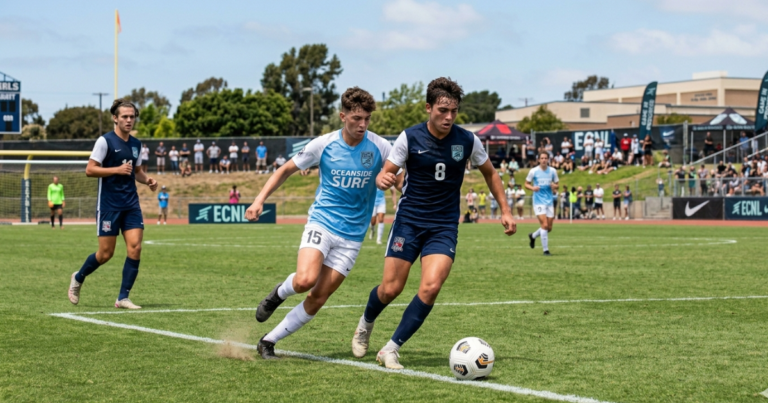
Showcases, ID camps, and national tournaments are happening everywhere. ECNL, GA, and other events are packed with college coaches walking the sidelines with clipboards. Coaches are traveling specifically to find players.
Emailing before a showcase you’re attending is a smart move. Something like: “Coach, I’ll be playing with [club team] at [tournament] the weekend of July 12th — would love for you to come watch.” That’s targeted, useful, and gives a coach a reason to respond.
Emailing after a showcase where you performed well? Even better. Strike while the iron is hot. Coaches are fresh off seeing hundreds of players — a follow-up email that same week keeps your name alive.
September Through October
The fall high school season is in full swing, and club soccer is ramping back up with fall showcases. Coaches are actively evaluating — both their current roster and their recruiting pipeline.
This is also the best time to follow up if you reached out earlier in the year and didn’t hear back. Things get buried. Coaches get busy. A well-timed follow-up in September with a season update can resurface your name right when coaches are paying close attention.
When Should You Avoid Emailing?
There’s really only one stretch where your email is likely to get buried and forgotten: mid-November through late December.
This is NCAA tournament time. Programs that made the postseason are traveling, locked in on their current team, and not thinking about recruits. Coaches whose teams didn’t make it are doing end-of-season evaluations and offseason planning. Either way, you’re competing with a lot of noise.
That doesn’t mean never email during this window — it just means don’t expect a quick response, and plan to follow up in January when things open back up.
The other brief quiet window is late May into early June — after spring ball wraps and before the summer showcase circuit kicks off. It’s short, but coaches are catching their breath. Emails sent then aren’t wasted, but you might wait longer for a reply.
Consistency Is the Real Strategy
Here’s what actually moves the needle: coaches hear from you more than once.
Think about it from their side. They get hundreds of emails. If they see your name in January, then again before a summer showcase, then again in September with a season update — you’ve become someone they recognize. You’re not a cold email anymore. You’re a recurring name with a consistent presence.
That’s how you get a response. That’s how you get on a visit list.
A simple cadence for a junior looks like this:
- January/February: Introduce yourself, share your highlight film
- March: Follow up, mention upcoming spring events or ID camps
- June/July: Target coaches at showcases you’re attending, follow up after
- September/October: Send a season update with stats or recent film
Four to six touchpoints across a year. Not spammy, not aggressive — just consistent.
The Bottom Line
Timing your emails is smart. But it’s a layer on top of a more important habit: actually sending them.
The best time to email a coach is when you have something worth saying. And if you’re doing it regularly — across the windows that matter most for college soccer — you’ll be miles ahead of players who are still waiting for the “right moment.”
Ready to put this into action? Ninety lets you find any NCAA soccer coach and write a personalized, professional email in seconds. No guessing, no blank page — just you in front of the coaches who matter most.

About the Author
Beau is the founder of Ninety (go90.io), a college soccer recruiting platform built exclusively for high school boys. A soccer dad who navigated the recruiting process firsthand with his son — an MLS NEXT player — he built Ninety to be the resource he wished he had. Beau also ran SoccerNovo and has a passion for building web apps that solve real problems. He writes about college soccer recruiting to help players and families cut through the noise and recruit with confidence.