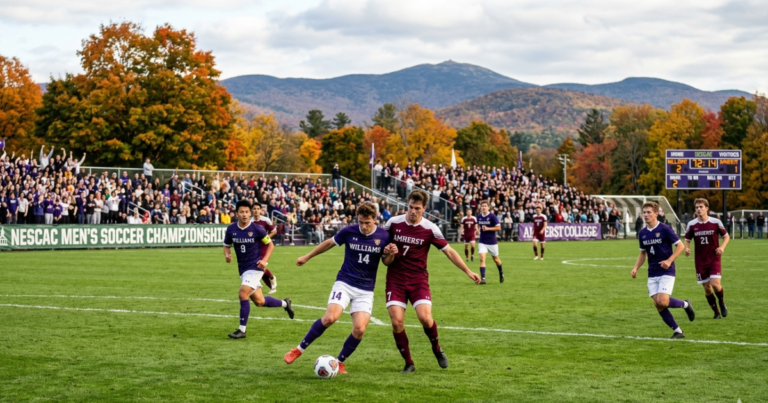
Do Men’s Soccer Players Get NIL Money?
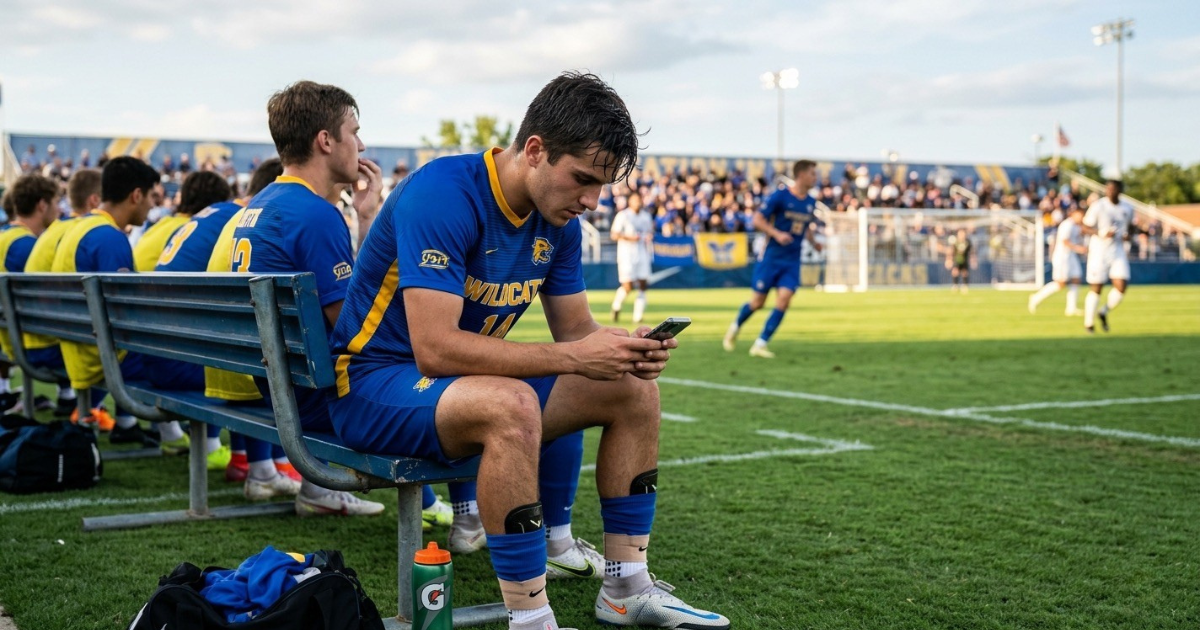
Yes, men’s college soccer players can sign NIL deals, and a growing number do. But the realities of the men’s college game make NIL look very different from what you see in football, basketball, or even women’s college soccer.
The Short Answer
Every NCAA men’s soccer player is eligible to sign NIL deals, just like the starting quarterback at Texas. What’s different is the market.
Brand dollars follow eyeballs, and men’s college soccer is competing for attention against college football, basketball, and women’s college soccer — which generates more crossover stars and more brand interest at the college level.
How Much Are Players Actually Making?
Most men’s college soccer NIL deals are modest — think four figures, not seven. On3’s men’s soccer NIL valuations show top-ranked players in the low five figures, with most rostered players sitting in the hundreds to low thousands.
For broader context: the College Sports Commission has cleared $242.35 million across 26,556 NIL deals since its NIL Go platform launched in June 2025. Men’s soccer is in there, but roughly 84% of all NIL and revenue-share money flows to football and men’s basketball.
For most players, men’s soccer NIL functions like a meaningful side income — a few hundred dollars from a local restaurant, free gear from a regional retailer, a couple thousand from a sportswear brand — not a windfall.
The Big Problem: International Players
This is the single biggest factor that makes men’s college soccer NIL different from almost every other sport. Nearly 80% of the players in last year’s Men’s College Cup were born outside the United States. Maryland’s men’s soccer team carried at least 13 international players last season.
Here’s the catch: most international athletes on F-1 student visas cannot legally earn NIL income in the U.S. without risking their visa status.
In practice, a roster of 28 might have only 12-15 players who can freely participate. The international players watch teammates sign deals while they navigate complicated workarounds or sit out entirely.
The MLS Academy Squeeze
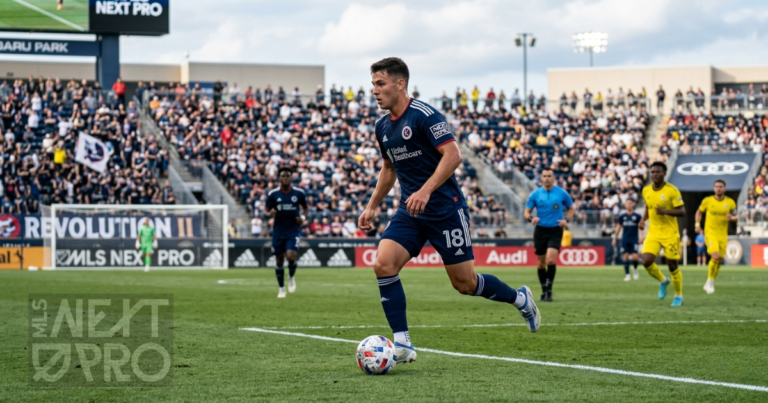
The top American teens who used to flow into college soccer are now signing homegrown contracts with MLS clubs at 15 or 16. MLS Next Pro fills the developmental gap that college soccer used to own.
That leaves college rosters filled with older international players, transfers, and Americans who fell through the academy cracks. Older, less-marketable rosters generate less brand interest, which keeps the men’s soccer NIL market thin.
What the House Settlement Changes
The House v. NCAA settlement lets schools share revenue directly with athletes — up to $20.5 million per school in 2025-26. But most schools follow the back-payment formula: roughly 75% to football, 15% to men’s basketball, 5% to women’s basketball, and 5% to everything else combined.
Men’s soccer fights for a slice of that 5% alongside baseball, lacrosse, swimming, track, and every other non-revenue men’s sport. At North Carolina, for example, $13 million went to football, $7 million to men’s basketball, $250,000 to baseball, and $250,000 to women’s basketball — with everything else fighting over the leftovers.
Where Men’s Soccer NIL Comes From
For American players who can participate, deals tend to cluster in a few categories: apparel and boot deals (Nike, Adidas, Puma, often gear-only or low four figures), local business partnerships, soccer-specific brands (training apps, recovery products, equipment makers), modest collective arrangements, and EA Sports licensing.
Advice for Recruits Who Are Looking for NIL $$
Build your audience before campus. A player with 30,000 engaged followers is dramatically more attractive to brands than one with 1,500. Social presence is a multiplier on every NIL opportunity, and it matters even more in a sport where baseline brand interest is lower.
Ask specific questions on visits. Skip “How much NIL money do players make here?” Better: How does the revenue-share allocation work for men’s soccer? Is there a collective that supports Olympic sports? Who are the top NIL earners on the current roster? If you’re an international player, what NIL infrastructure exists for athletes on visas?
Don’t pick a school for NIL alone. In a sport where the realistic pro pathway runs through MLS, MLS Next Pro, or Europe, your development matters more than the modest size of any college NIL check.
Bottom Line
Men’s soccer players absolutely get NIL money. Most get a little, some get a meaningful amount, and a small handful land real brand portfolios. But the structural realities of the men’s college game in 2026 mean NIL here looks fundamentally different from football, basketball, or even women’s soccer.
The players who do best treat NIL like what it actually is: a small business they’re building alongside their athletic career, not a lottery ticket they’re hoping the school will hand them.
Frequently Asked Questions
For most rostered players, somewhere between $0 and a few thousand dollars a year — often in the form of free gear, local business partnerships, or small social campaigns rather than cash deals. Top players at strong programs can hit the low five figures. The six- and seven-figure deals you read about in football and basketball are essentially nonexistent in men’s college soccer.
No. In men’s soccer, the gap between the best and worst NIL programs is small compared to the gap between the best and worst development environments. Your pro pathway runs through MLS, MLS Next Pro, or Europe — and your performance, coaching, and minutes will matter far more to your future earnings than any college NIL check. Use NIL as a tiebreaker between otherwise equal options, not as the deciding factor.
Generally no — not without risking their visa status. Most NIL activity counts as “labor” under DHS rules, which F-1 visas don’t permit. Some players work around it with passive licensing deals or arrangements that pay out only when they leave the U.S., but the rules are murky and the consequences of getting it wrong are serious. If you’re an international recruit, ask each school specifically what NIL infrastructure they have for visa athletes.

About the Author
Beau is the founder of Ninety (go90.io), a college soccer recruiting platform built exclusively for high school boys. A soccer dad who navigated the recruiting process firsthand with his son — an MLS NEXT player — he built Ninety to be the resource he wished he had. Beau also ran SoccerNovo and has a passion for building web apps that solve real problems. He writes about college soccer recruiting to help players and families cut through the noise and recruit with confidence.