D3 College Soccer Deserves Respect
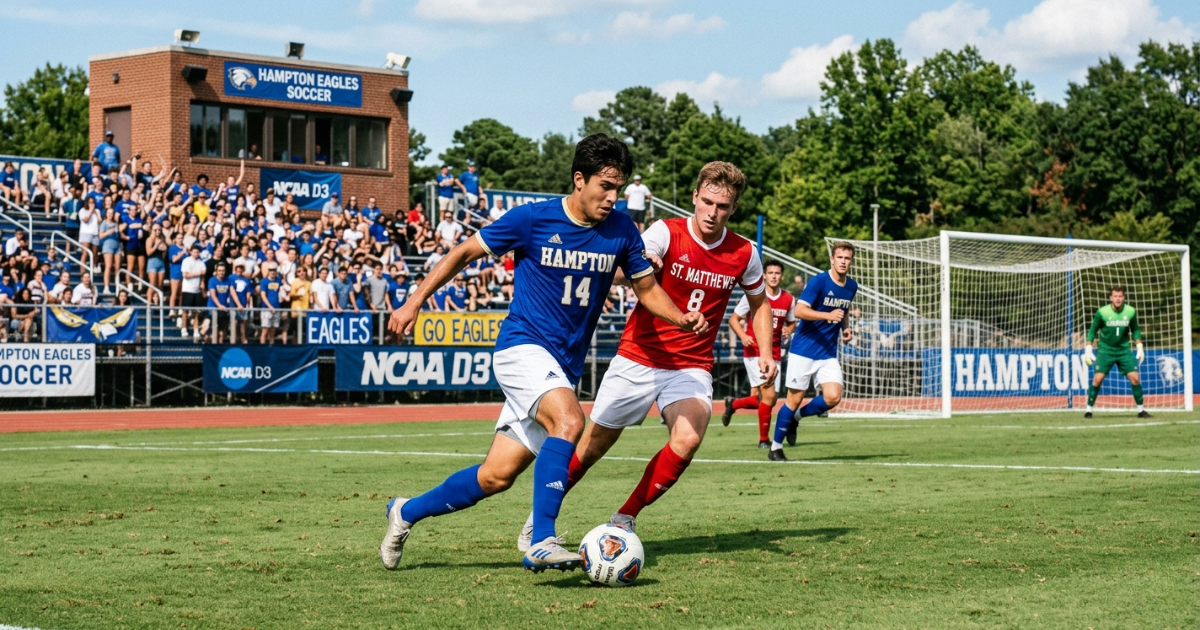
There’s a moment in almost every recruiting conversation where a family hears “D3” and the energy shifts. The questions stop. The interest cools. Everyone moves on like the coach just offered their kid a spot on a Tuesday night indoor league.
That reaction is understandable. It’s also a mistake.
The D1 Dream Is Real — But So Is the Math
Every competitive high school player wants to play at the highest level possible. That’s not ego, that’s competitiveness. But here’s what the D1 dream often ignores: there are roughly 200 D1 men’s soccer programs in the country. Rosters average around 30 players. Do the math — that’s about 6,000 D1 roster spots, shared across four class years, for the entire country.
D3 has over 400 programs. More schools, more coaches actively recruiting, more actual playing time available.
The Level Will Surprise You
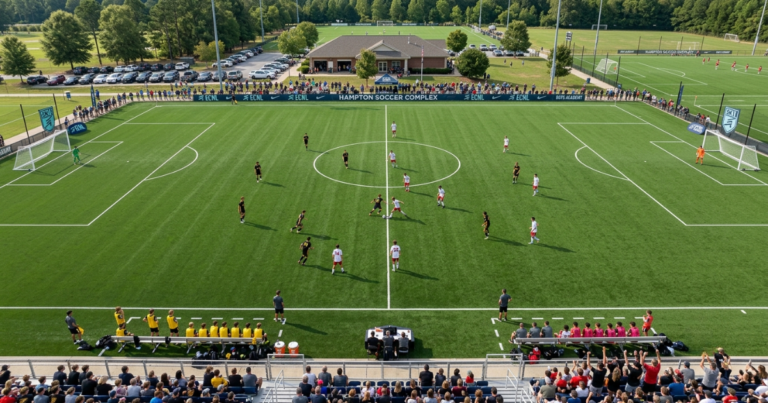
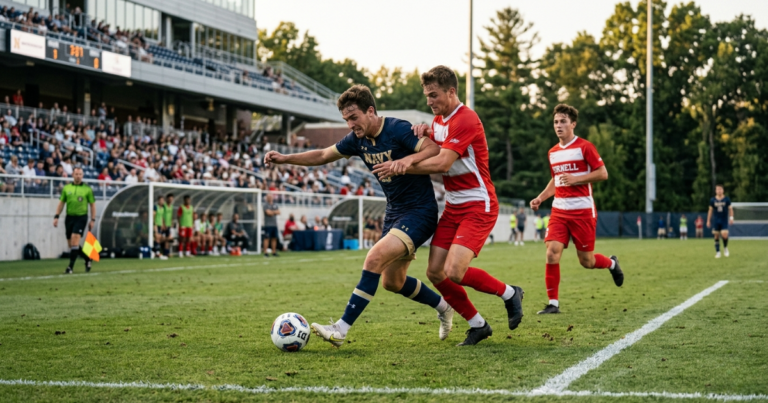
People who haven’t watched D3 soccer picture something slow and sloppy. Then they actually go watch a NESCAC match or a UAA conference game and their jaw drops.
D3 rosters are full of players who had D1 looks and chose academic fit instead. State champions. MLS NEXT boys. Regional ODP guys. Players who were serious club prospects. The competition is real, the athleticism is real, and the tactical quality is higher than most families expect until they see it in person.
No Athletic Aid Doesn’t Mean No Money
This is the most misunderstood part of D3. Yes — D3 schools cannot offer athletic scholarships. Full stop. But many D3 schools are small private institutions with substantial academic and need-based financial aid packages. A player with strong grades applying to a D3 liberal arts school might end up paying less out of pocket than a teammate who signed a 30% athletic scholarship at a mid-major D1 program.
Run the actual net price numbers. Don’t assume D3 costs more before you’ve done the math.
You’ll Actually Play
At a D1 program, freshmen sit. Often sophomores sit too. Roster management at that level means depth charts that are four and five players deep at every position. You might red-shirt. You might transfer. You might spend two years training hard and never see meaningful minutes.
At D3, coaches recruit for fit and need. If they want you, they usually need you. That translates to earlier playing time, more development through actual game reps, and a role that grows as you do.
College Is Still Part of the Deal
D1 athletics at a high level is basically a second major. Year-round training, film sessions, team meals, travel weekends. Players give up a lot to compete at that level, and many are fine with it. But others get there and realize they’ve signed up for something that leaves almost no room for the rest of college life.
D3 players study abroad. They do internships. They double major. They graduate in four years. When they’re 24 and interviewing for jobs, the name on the degree from a strong D3 academic institution carries real weight — sometimes more than the football-factory D1 school that offered a partial scholarship.
D3 Coaches Are Recruiting With Purpose
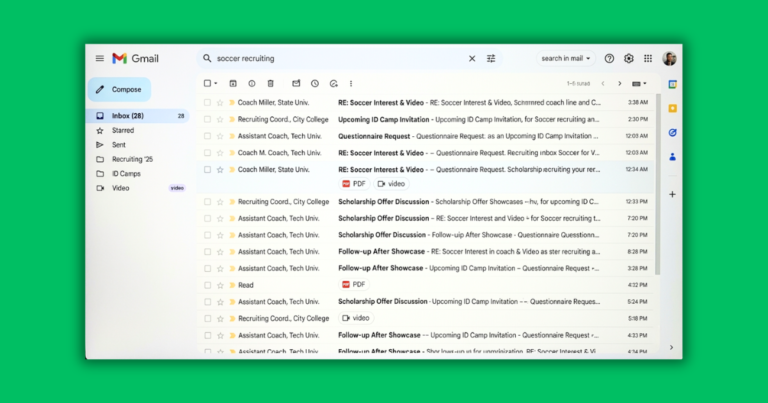
At big programs, recruiting coordinators are blasting emails to hundreds of players, sorting through highlight reels, and hedging their bets across wide lists. At D3, the head coach is often the one reaching out. They watched your film twice. They came to your tournament. They’re not filling a quota — they want you specifically.
That kind of intentional recruiting usually leads to a better player-program fit. And fit is what determines whether a player thrives in college or quietly checks out by junior year.
Stop Filtering It Out Before You Look
The number of players who never respond to a D3 coach’s email is staggering. They don’t visit the campus. They don’t look up the program’s record. They don’t check the academics or run the financials. They just skip it and keep chasing an offer that may never come.
Some of those players end up not playing college soccer at all — not because they couldn’t have, but because they closed a door without ever opening it.
D3 might not be the right fit. But you owe it to yourself to actually find out.
If you’re navigating the college soccer recruiting process and trying to figure out where you actually fit, Ninety is built for exactly that. Explore programs at every level, understand what coaches are looking for, and stop leaving opportunities on the table. Check it out at go90.io.
Frequently Asked Questions
The top of D3 — NESCAC, UAA, top SUNY — would absolutely compete with bottom-tier D1 programs. Rosters are stacked with players who turned down D1 offers for academics. Don’t judge it until you’ve watched a real D3 match.
Most D3 schools are private with strong academic aid and need-based packages. A 3.7 GPA at a top D3 can unlock more total aid than a partial athletic offer at a mid-major D1. Run the net price calculator before you assume D3 is unaffordable.
It’s more rare than D1, but it happens. MLS NEXT Pro and lower-division pro teams sign D3 players every year, especially out of strong programs. If you keep developing, your path doesn’t get blocked by the division on your jersey.

About the Author
Beau is the founder of Ninety (go90.io), a college soccer recruiting platform built exclusively for high school boys. A soccer dad who navigated the recruiting process firsthand with his son — an MLS NEXT player — he built Ninety to be the resource he wished he had. Beau also ran SoccerNovo and has a passion for building web apps that solve real problems. He writes about college soccer recruiting to help players and families cut through the noise and recruit with confidence.