What D1 Colleges Have Women’s Soccer But Not Men’s (And Why It Matters for Recruits)
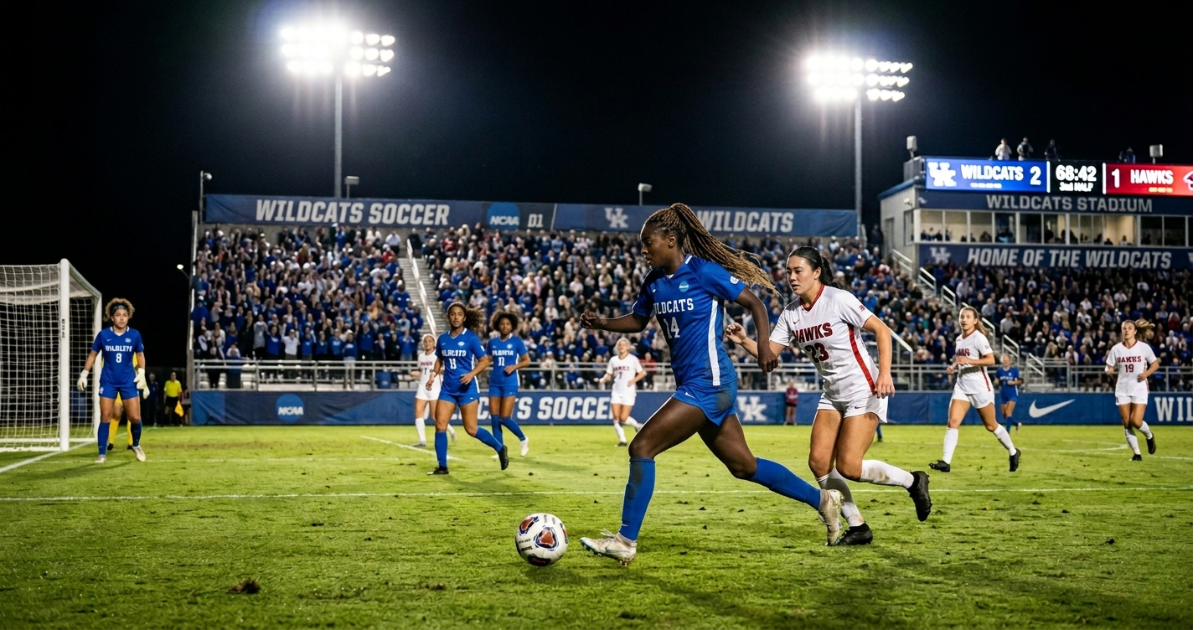
If you’ve ever searched for D1 college soccer programs and noticed the women’s list is a lot longer than the men’s, you’re not imagining it. There are roughly 330+ women’s D1 soccer programs compared to around 210 men’s programs. That’s a significant gap — and it’s not an accident.
Here’s what’s actually going on, and why it matters if you’re a male player chasing a D1 offer.
Title IX Is the Reason This Exists
The short answer: Title IX.
Passed in 1972, Title IX requires colleges that receive federal funding to provide equal athletic opportunities for men and women. In practice, that means schools need to balance the number of male and female athletes they fund.
Here’s where it gets complicated for soccer. Football programs at the D1 level carry massive rosters — all male. To offset that, schools have to add a lot of women’s roster spots across other sports. Women’s soccer, with its large roster sizes, is one of the most efficient ways to do that.
So schools add women’s soccer. Many of those same schools never add men’s soccer because adding another men’s sport would only make the Title IX balancing act harder. It’s not that these schools don’t care about soccer — it’s that the math doesn’t work in its favor.
The SEC Is the Starkest Example
Look no further than the SEC to see how dramatic this gap really is. The conference has some of the most recognizable football brands in the country — and almost no men’s soccer.
Out of all SEC schools, only Kentucky and South Carolina have men’s D1 soccer programs. Every other school has women’s soccer and zero men’s program:
- Alabama
- Auburn
- LSU
- Tennessee
- Arkansas
- Ole Miss
- Mississippi State
- Missouri
- Texas A&M
- Georgia (dropped men’s soccer)
- Florida
- Oklahoma (joined SEC in 2024)
- Texas (joined SEC in 2024)
Thirteen schools. Women’s soccer at all of them. Men’s soccer at exactly two. That’s the Title IX math playing out in real time, and it’s directly tied to how big the football rosters are.
It Shows Up in the Big Ten Too
The Big Ten does have men’s soccer — Indiana, Maryland, Michigan, Ohio State, Rutgers, UCLA, Washington, Michigan State, and Northwestern all have active programs. But the more football-dominant schools in the conference follow the same pattern as the SEC:
- Nebraska
- Iowa
- Minnesota
- Wisconsin
- Purdue
- Illinois
These are major universities with serious athletics budgets and women’s soccer programs — and no men’s D1 soccer.
Why Men’s Soccer Gets Cut or Never Gets Added
It’s not just about adding women’s sports. Over the years, schools have actually dropped men’s soccer programs to stay compliant with Title IX or to reallocate budget. Georgia is a good example — a school with a powerhouse athletics department that dropped men’s soccer and never brought it back.
Adding another men’s sport only makes the gender equity math harder. So schools don’t do it — and when budgets get tight, men’s soccer is often one of the first programs on the chopping block.
What Changed With Scholarships in 2025
Here’s something important that every recruit should understand, because it shifted significantly.
Men’s soccer is an equivalency sport — meaning scholarships can be split as full or partial awards across the roster. The old D1 limit was 9.9 scholarships split among a full roster. Starting in the 2025–26 academic year, the NCAA eliminated scholarship caps for D1 sports as part of the House v. NCAA settlement. D1 men’s soccer programs can now offer up to 28 scholarships, with a roster limit of 28 players.
That’s a major change from where things stood before. More scholarship flexibility gives coaches more tools to recruit. Schools aren’t required to offer the maximum, and actual funding varies widely by program and budget — but the landscape is shifting.
What This Means If You’re Being Recruited
The math still works against male players in a straightforward way. Fewer men’s D1 programs means more competition for each available roster spot. You’re fishing in a smaller pond — and many of the most recognizable school names in college sports simply don’t have a team.
That doesn’t mean D1 is out of reach. It means you need to be more strategic. If you’re targeting big football schools academically — SEC programs, Big Ten powerhouses — there’s a real chance men’s soccer isn’t an option there. Finding that out early saves a lot of wasted effort.
You also shouldn’t sleep on D2 and D3. Some of the best soccer development in the country happens outside D1, and schools without the football-driven Title IX pressure often have well-funded, serious programs that fly under the radar.
Build Your List Around Reality
Start with a real list, not a wish list. Don’t assume a school you love has a men’s program — verify it. Then look at the geographic picture. Regions heavy with SEC and football-dominant schools have far fewer D1 men’s options than you might expect.
The recruits who get offers are the ones who understand the landscape and go after the right programs with intention — not the ones waiting around hoping coaches find them.
Ready to build your list the smart way? Ninety at go90.io is built specifically for high school boys navigating college soccer recruiting. Find the programs that actually exist, track your outreach, and stop guessing. Start at go90.io.
Frequently Asked Questions
Unlikely anytime soon. Adding a men’s program forces a school to add more women’s roster spots to stay Title IX compliant — which is expensive. Schools rarely make that move, especially with football budgets where they are.
Pick the dream — academics or soccer — and build around it. You can attend the school as a student and play club soccer, or find a similar academic profile at a school that does have a men’s program. Don’t waste time emailing coaches who don’t exist.
Many are excellent! Without the Title IX pressure tied to football, plenty of mid-size schools quietly run well-funded, competitive D2 and D3 programs. Worth a real look before assuming you have to chase D1.

About the Author
Beau is the founder of Ninety (go90.io), a college soccer recruiting platform built exclusively for high school boys. A soccer dad who navigated the recruiting process firsthand with his son — an MLS NEXT player — he built Ninety to be the resource he wished he had. Beau also ran SoccerNovo and has a passion for building web apps that solve real problems. He writes about college soccer recruiting to help players and families cut through the noise and recruit with confidence.