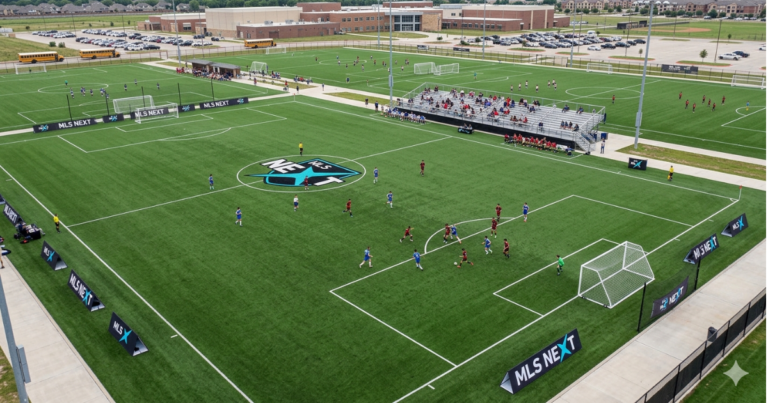
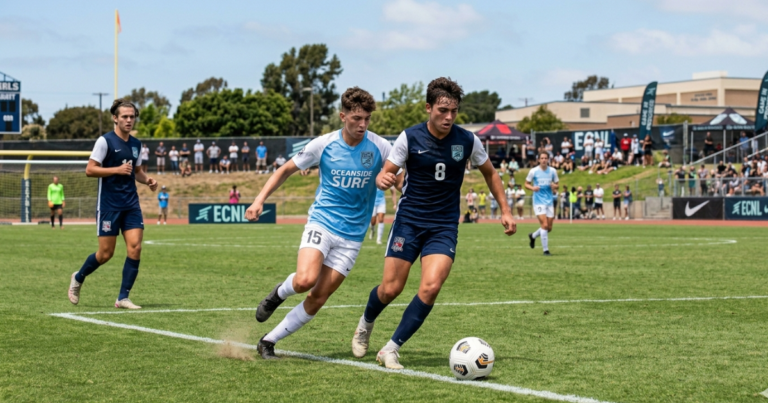
Can You Play MLS NEXT Pro and College Soccer?
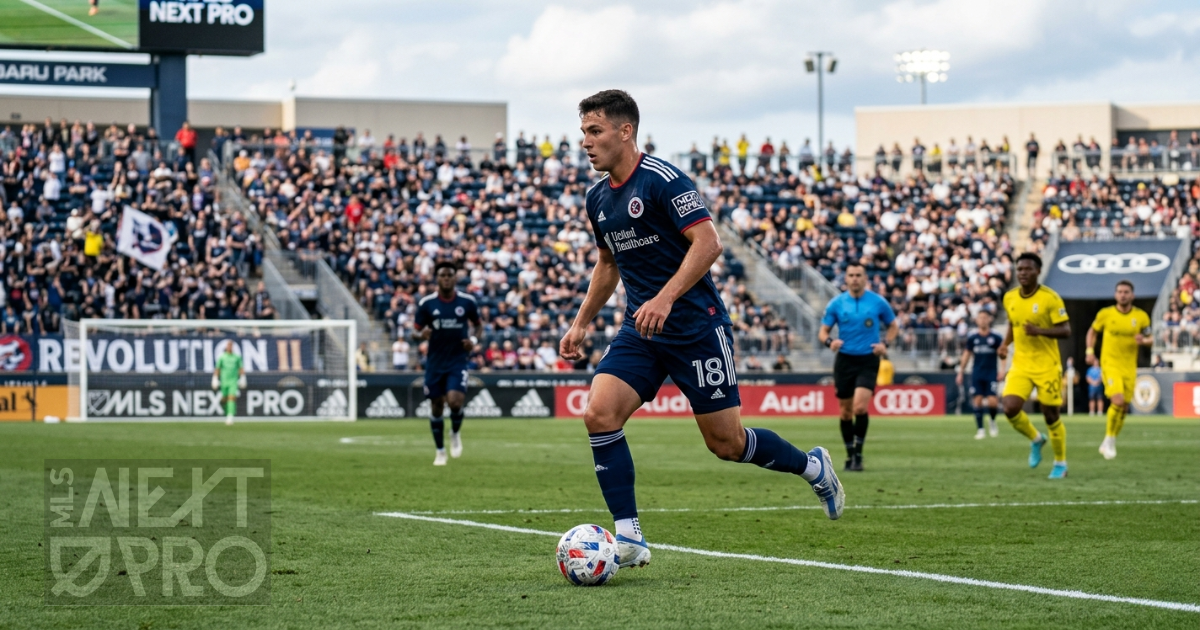
Most parents and players hear “MLS NEXT Pro” and immediately panic — does this end the college dream? I mean it’s a great problem to have, right? The short answer is no.
But the longer answer is where things get interesting, because this isn’t just an eligibility question. It’s a career decision hiding inside a rule book.
Here’s what you actually need to know.
The Rule That Changes Everything: Amateur vs. Professional
The key factor is whether you maintain amateur status or sign a professional contract. That one distinction determines everything.
Here’s the basic NCAA rule — you lose your amateur status if you use your athletic skill for pay in any form, accept a promise of pay, sign a contract to play professional athletics, or receive salary or financial assistance from a professional sports organization based on athletic skill.
So if you’re an MLS NEXT Pro academy player who trains and plays in matches without a professional contract — and without getting paid beyond covered travel, meals, or equipment — you’re still eligible for college soccer. You can compete at that level, get real game reps against older players, and still walk onto a college campus as a fully eligible NCAA athlete.
The moment you sign a professional contract and accept pay? That door closes.
What “Unsigned Amateur” Actually Looks Like in Practice
Think about a 18-year-old playing with a club like LAFC II or New England Revs II. He’s training with professionals every week. He’s logging real minutes in competitive matches. College coaches are watching. And yet — if he hasn’t signed a professional deal — he’s still NCAA eligible.
Before your initial full-time college enrollment, you can compete on a professional team as long as you don’t receive more than actual and necessary expenses. That’s the window that makes this whole thing possible.
This is becoming more common. MLS NEXT Pro has created a legitimate development pathway that didn’t exist five years ago, and smart players are using it as a launching pad — either to get signed professionally, or to build a recruiting profile that turns heads at Division I programs.
But Here’s What Nobody Talks About
The MLS NEXT Pro path sounds incredible on paper. And it can be. But here’s the reality many families discover too late: being part of MLS NEXT gives players more visibility, but it does not guarantee a college scholarship.
College coaches recruit from MLS NEXT Pro environments — they know the league. But they’re filling specific roster spots based on position needs, academic fit, and budget. Exposure alone doesn’t close the deal.
Meanwhile, the clock on college recruiting doesn’t pause because you’re in a high-level pro environment. Coaches are building their classes years in advance. If you’re not actively communicating with programs while training with an MLS NEXT Pro club, you could lose ground on the recruiting timeline without even realizing it.
The Decision That Actually Matters
The real question isn’t “can I do both?” It’s “what am I trying to accomplish?”
If there is a window of professional soccer open while you are still in high school, explore it — but go on a trial or tryout and see what the clubs have to offer. That window can close very quickly.
Players who have a legitimate path to a professional contract — real interest, real conversations, real opportunity — should take that seriously. Only about 1-2% of college soccer players ever sign professional contracts. If you’re in that category, act accordingly.
For everyone else — including most players who are unsigned amateurs training in MLS NEXT Pro environments — the college path is still very much alive! The key is treating both paths seriously at the same time rather than assuming one will naturally lead to the other.
If You Go Pro, College Isn’t Completely Gone
One thing that surprises a lot of families: losing NCAA eligibility doesn’t end all college soccer dreams. Players who go professional can still compete at the NAIA or junior college (NJCAA) level, since these organizations have more flexible amateurism rules. NAIA schools often provide excellent education and competitive soccer programs, while NJCAA programs can serve as stepping stones to four-year institutions.
It’s not the path most players imagine. But it’s worth knowing the full picture before making any decisions.
Questions to Ask Before You Decide Anything
Before signing anything — or assuming you’re still eligible for anything — get clear on these:
- Am I being offered amateur or professional status?
- Am I receiving any compensation beyond covered expenses?
- Have I spoken with an NCAA compliance officer or legal advisor?
- Am I actively staying in contact with college programs I’m interested in?
- What does my timeline look like — and is my recruiting outreach keeping pace with it?
These aren’t questions to answer in a rush. And they’re definitely not questions to answer alone.
Frequently Asked Questions
A formal pro contract that pays you a salary or compensation beyond covered travel, meals, and equipment. If you’re training and playing without signing anything and only get expenses covered, you’re still considered an amateur in the NCAA’s eyes.
Yes! As long as you’re unsigned and not getting paid beyond actual and necessary expenses. Plenty of high school players use this exact path to develop against pros while staying NCAA eligible.
Not entirely. NCAA eligibility is gone, but NAIA and NJCAA (junior college) programs have looser amateurism rules and often welcome former pros. Not the original plan for most players, but a real path back into college soccer.

About the Author
Beau is the founder of Ninety (go90.io), a college soccer recruiting platform built exclusively for high school boys. A soccer dad who navigated the recruiting process firsthand with his son — an MLS NEXT player — he built Ninety to be the resource he wished he had. Beau also ran SoccerNovo and has a passion for building web apps that solve real problems. He writes about college soccer recruiting to help players and families cut through the noise and recruit with confidence.